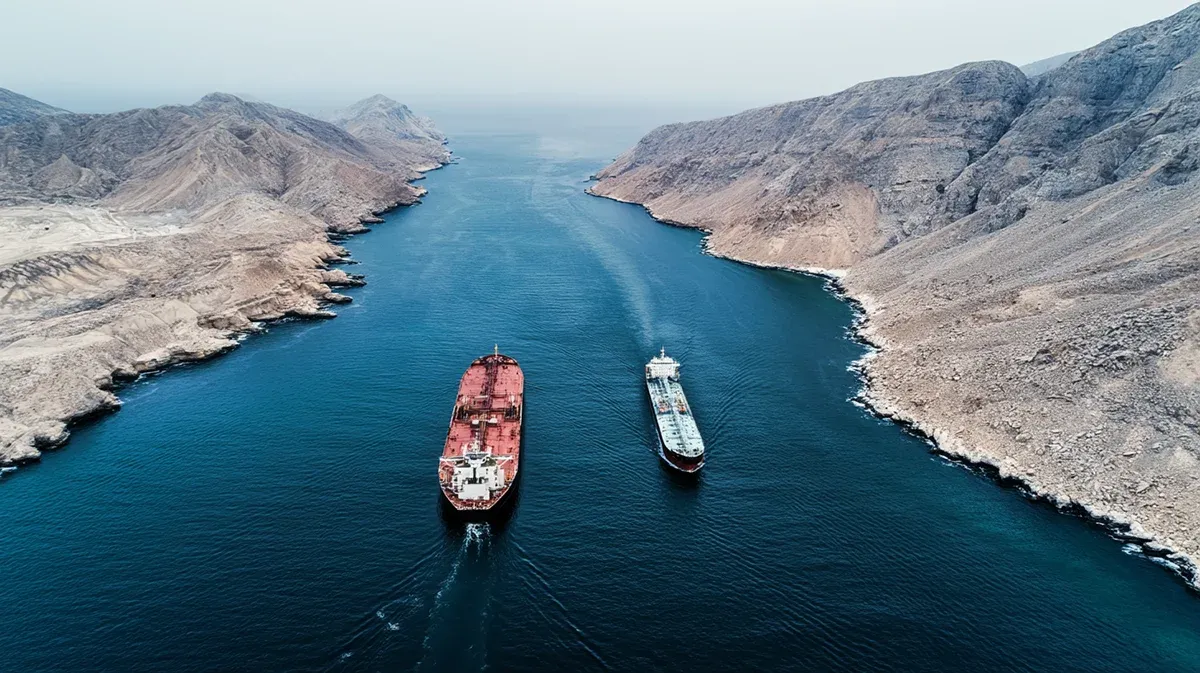
Hormuz shows the pattern in its rawest and most physical form. When traffic through the strait is disrupted, the shock does not stop at crude. By late March, conflict around Hormuz had pushed plastics prices to four-year highs, in part because the Middle East accounted for more than 40 percent of global polyethylene exports in 2025.
The same passage normally carries oil, LNG, petrochemicals, and industrial feedstocks that sit further down the chain in packaging, chemicals, and manufacturing.
A chokepoint is never only about what passes through it directly. It is about everything that depends on what passes through it.
This is not just a war-and-oil story. It is a story about chokepoint power. Disrupted fertilizer shipments and higher gas prices are now threatening food prices and food security in import-dependent countries.
That is how a maritime crisis turns into household pressure. The damage moves downstream through ammonia, urea, nitrogen fertilizers, packaging, freight, and farm inputs. By the time the shock appears in food prices, it no longer looks like a naval problem. But it is still the same chokepoint working through the system.
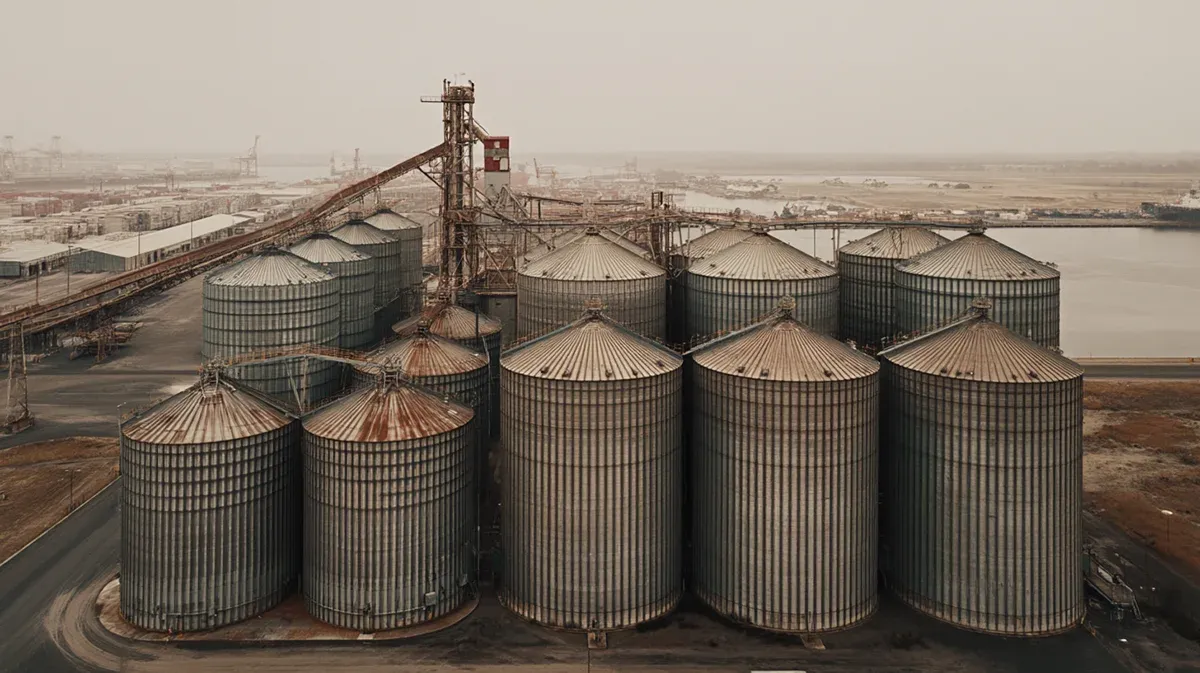
The shock does not stop at crude. It moves through plastics, fertilizers, freight, and food systems.
The decisive issue, then, is not only who produces, but who controls circulation. As global flows tightened under Hormuz disruption, China released fertilizer from commercial reserves, while Russia halted ammonium nitrate exports for a month.
That is the real structure of power: some states can shield themselves while tightening pressure on others. What matters is not simply having resources, but having reserves, alternative channels, export discretion, and the ability to decide who still gets supply when the system tightens.
This is why chokepoints now function as weaponized infrastructure. By March 27, the UN was already warning that a mechanism was needed to secure trade through Hormuz because the disruption was raising energy prices, stopping fertilizer deliveries, and risking acute hunger for millions.
Hapag-Lloyd alone was facing an additional $40 million to $50 million in weekly costs because of the Middle East conflict. That is not a side effect of globalization. It is logistical coercion with immediate effects on basic systems.
The point is no longer that the world economy is vulnerable. It is that vulnerability can be managed, distributed, and used.
The same logic now extends beyond maritime geography. Rare earths, magnets, chip-design tools, and semiconductor chemicals function as industrial chokepoints in much the same way Hormuz functions as a maritime one.
New US restrictions on chip-design software, chemicals, and other exports to China in late May 2025 were explicitly described as targeting “choke points.” Days later, Chinese export controls on rare earths and magnets threatened global auto, electronics, semiconductor, and defense production, forcing European plants to stop.
A chokepoint, in other words, is no longer only a narrow waterway. It is also a licensing system, a regulatory gate, a concentrated industrial input, or a state-administered export channel.
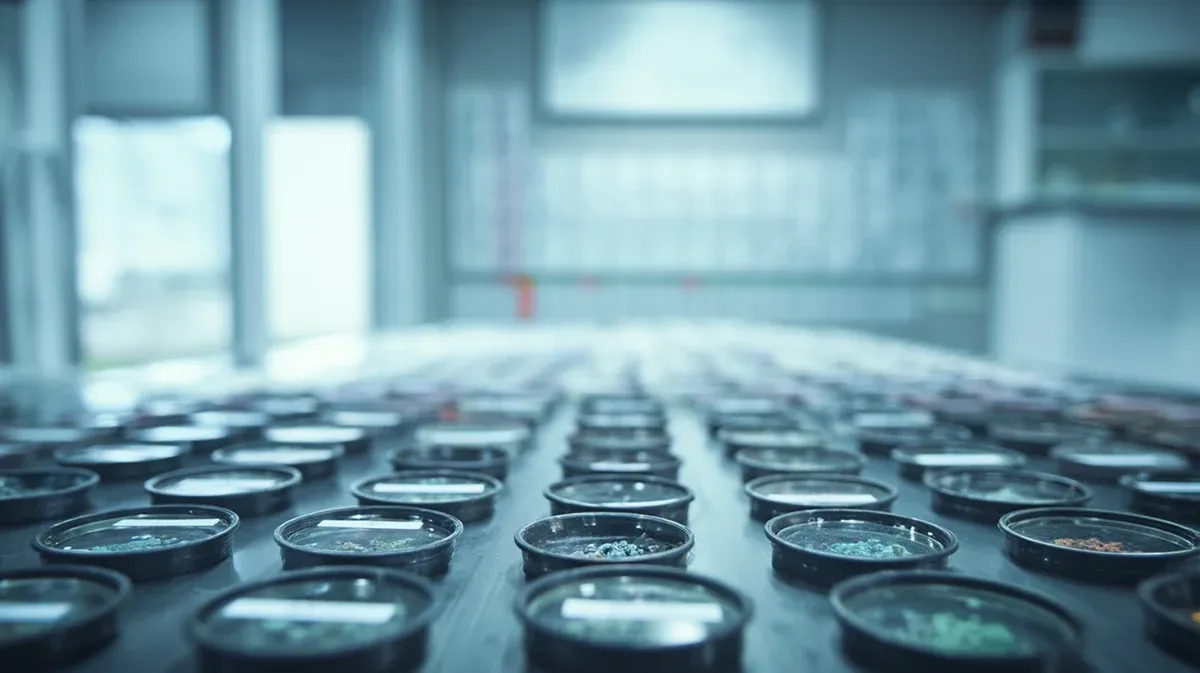
A chokepoint is no longer only a narrow waterway. It can also be a licensing system, an export gate, or a concentrated industrial input.
That matters because the mainstream language still weakens what is happening. These are not just “supply chain disruptions,” as if neutral markets were suffering accidental interruptions. They are increasingly forms of deliberate dependency management.
States are not merely reacting to fragility in the system. They are learning to govern through it. Once reserves, export permits, shipping lanes, and industrial inputs become strategic tools, the world economy stops functioning as a neutral arena of exchange and starts functioning as a field of administered scarcity.
The burden, as usual, falls furthest downstream. By late March, Asian resin and petrochemical prices were rising sharply, with companies such as Dow, BASF, and Celanese passing costs onward. Developing countries were already being warned of another food-price shock because of fertilizer shortages and energy pressure.
The actors that can ration flow, redirect supply, or lean on reserves gain room to maneuver. The actors without those tools pay first: import-dependent economies, farmers, manufacturers, and households.
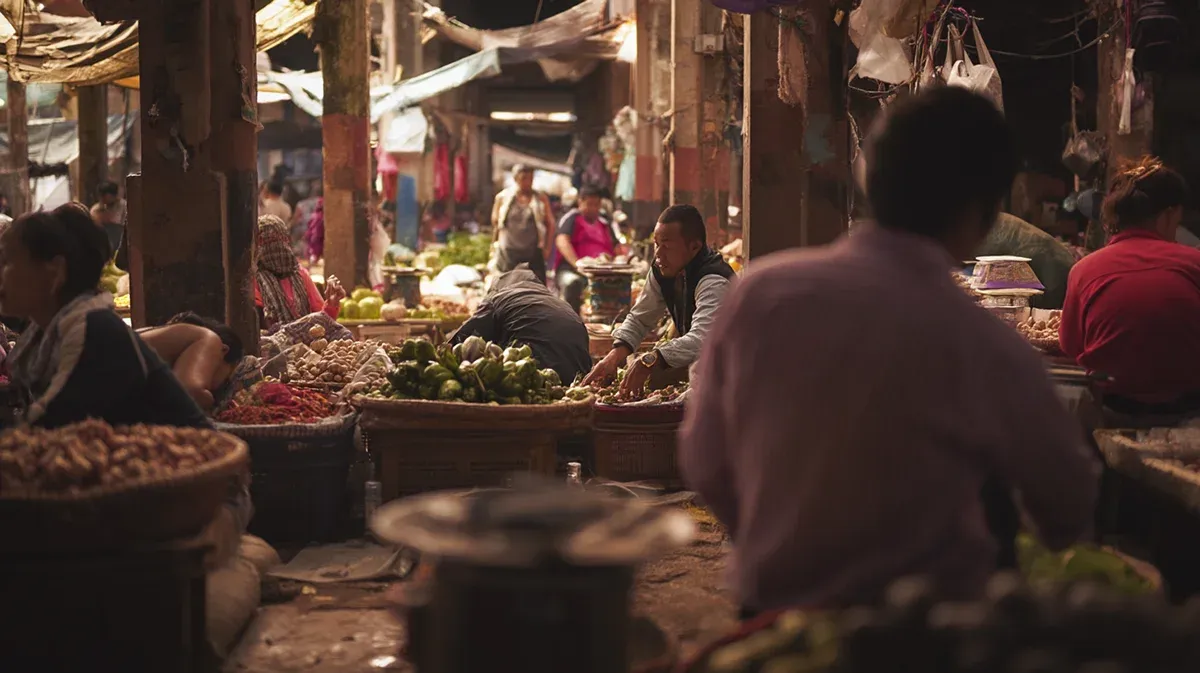
That is why the new geopolitics is less about owning land than about governing circulation and dependency. Hormuz, rare earths, and chip-tool restrictions all show the same thing: power now lies in the ability to stop, license, reroute, or selectively release what others depend on.
The world economy is no longer just vulnerable to bottlenecks. It is increasingly governed through them.