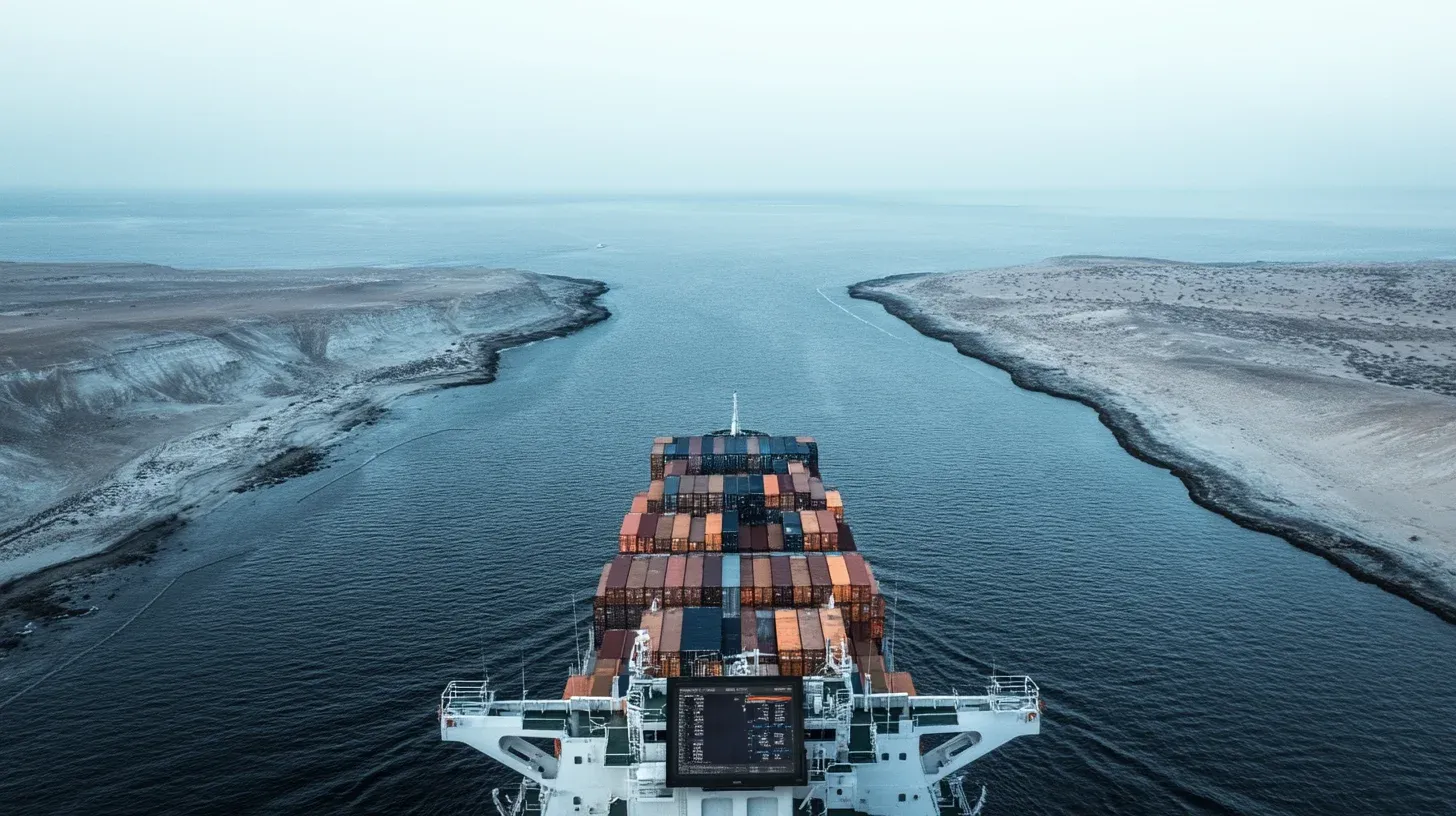
The clearest signal came from a French-owned CMA CGM container ship that broadcast “Owner France” in its AIS tracking data before passing through. That is not routine commercial signalling. It is political signalling for safe passage. The strait has not reopened in any neutral sense. It is operating as a checkpoint where passage depends on who you are perceived to belong to.
That is a structural shift, not just a temporary anomaly. For decades, freedom of navigation through Hormuz has been treated as a background condition of global trade, something the market assumed and priced around. What the last weeks have shown is that this assumption was always political. The physical passage was open because no actor with the power to close it had sufficient reason or leverage to do so selectively. That condition no longer holds.
What is now visible is the architecture beneath the assumption. Iran does not need to close Hormuz entirely to exercise power over it. Selective passage, letting some ships through, making others wait, and creating uncertainty about who qualifies, is enough to restructure the terms of access. The market does not need a full blockade to respond. It needs only the credible possibility that passage is no longer guaranteed for everyone equally.
Europe is already drawing the conclusion. The EU is considering fuel rationing and emergency reserve releases in preparation for what it describes as a potentially long-lasting energy shock. That language matters. It signals that European governments no longer expect this to resolve quickly and are beginning to shift from market management to crisis allocation. Energy security is moving from price signals back to political decisions about who gets priority and who absorbs scarcity.
Together, these developments show the same underlying shift. Hormuz has become a pressure point not because it is physically closed, but because access through it is now being administered rather than assumed. The price of passage is no longer just freight. It is political alignment, perceived neutrality, and the absence of connections to the wrong flag.
That is the real story behind the ships crossing this week. They are not evidence that the crisis is over. They are evidence that a new access regime is already in force, one in which identity helps determine whether you get through, and on what terms. Hormuz is no longer just a chokepoint. It is a politically administered gate.