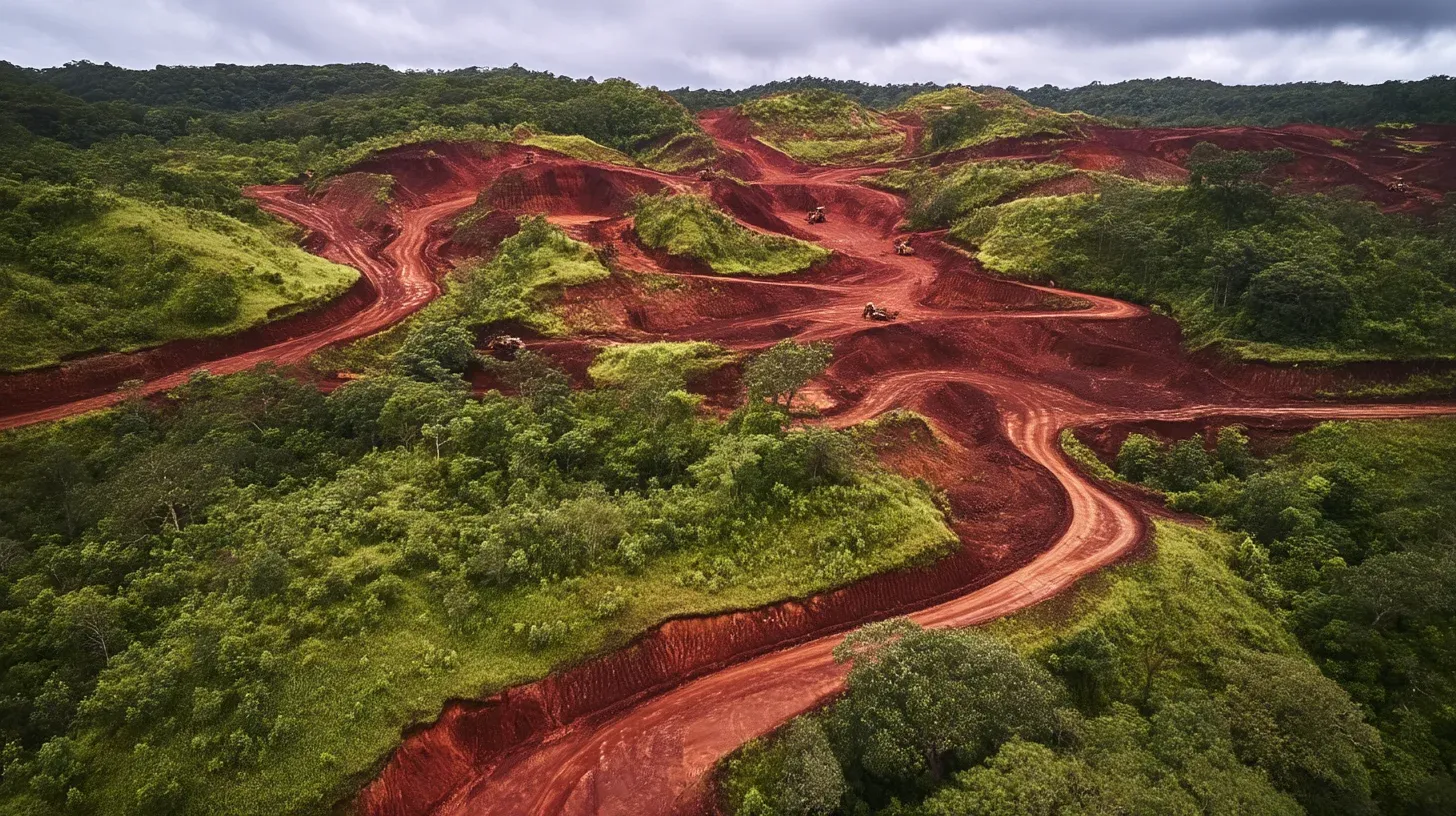
Rare earths are often discussed as if the central question were simply where the next big deposits can be found. That misses where power actually sits. A country can hold major reserves and still remain subordinate if the ore must pass through someone else’s refineries, metallization plants, magnet factories, and export rules before it becomes useful.
Source is not command.
That is the structure China still dominates. The International Energy Agency shows that rare earths remain among the most concentrated mineral chains in the world: in 2024, the top three countries accounted for 86 percent of mining and 97 percent of refining. Even by 2030, refining is still expected to remain around 92 percent concentrated in the top three.
Reuters sharpens the point further: China processes around 90 percent of global supply for permanent magnets. That is where the real contest now lies. The mine may supply the ore, but industrial power accumulates in the stages that come after it.
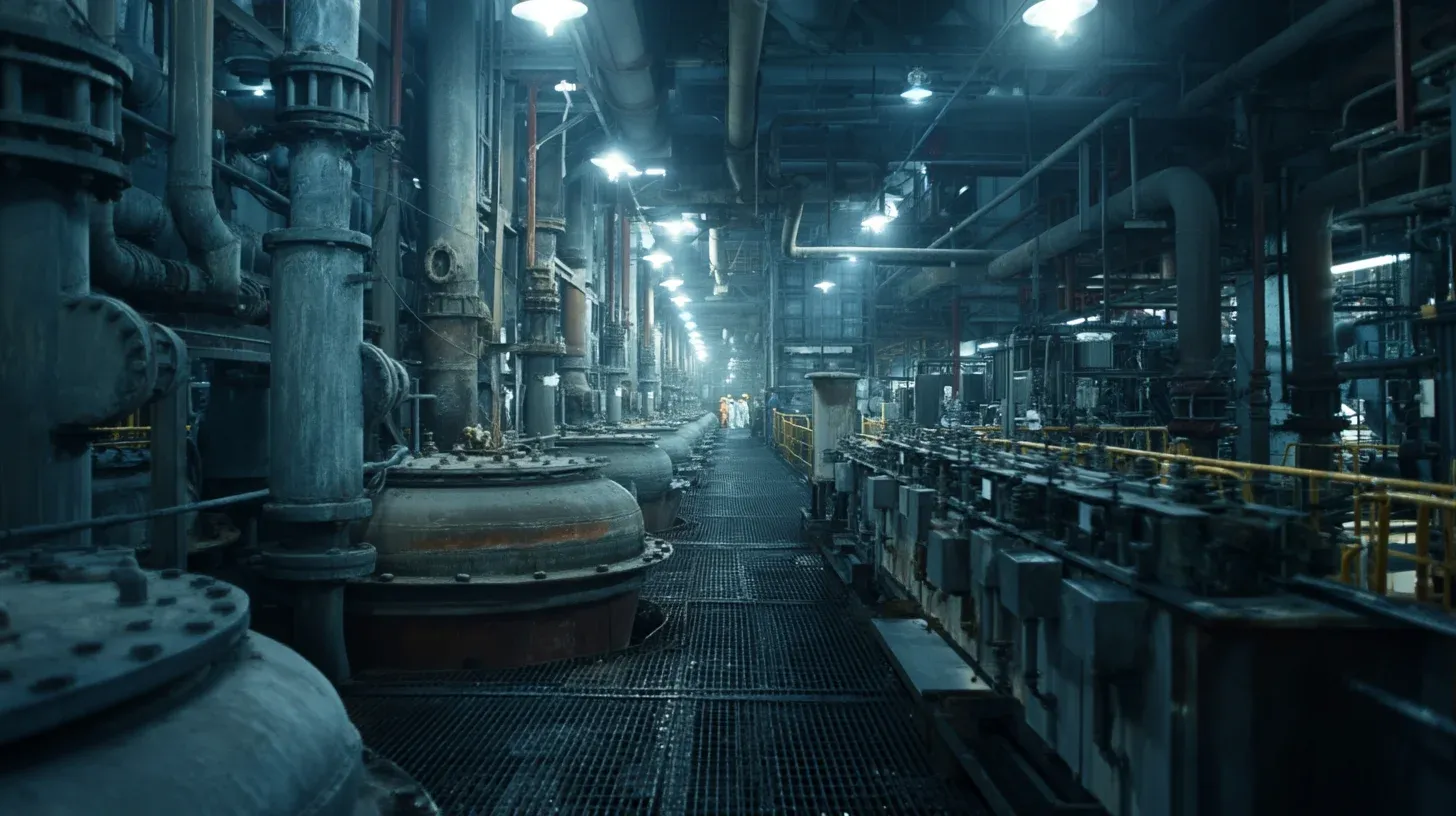
Refining, not mining, is where industrial power accumulates.
This is why Brazil matters now, and why it still does not solve the dependency. In Poços de Caldas, rare-earth deposits are being cast as a possible breakthrough for Western access outside China. E24 presents the area as a new strategic front, with Australian companies securing licenses and expectations rising fast.
But Brazil’s importance lies less in the promise of a new source than in the fact that the United States, Europe, Japan, and their partners are trying to build a parallel route around Chinese control. Brazil matters less as a solution than as a detour.
The clearest current example is Serra Verde. Reuters reported on February 5 that the US government, through the Development Finance Corporation, provided a $565 million financing package to the Brazilian producer, with the option of taking a minority stake.
This was not just commercial finance. It was part of a wider American push to loosen China’s grip on critical minerals. Serra Verde is especially attractive because it contains heavier rare earths such as dysprosium and terbium, which are harder to substitute and especially important for high-performance magnets.
That point matters because rare earths are not one thing. Heavy rare earths carry more strategic weight precisely because they are scarcer, harder to replace, and more tightly tied to advanced industry and defense.
Brazil matters less as a solution than as a detour.
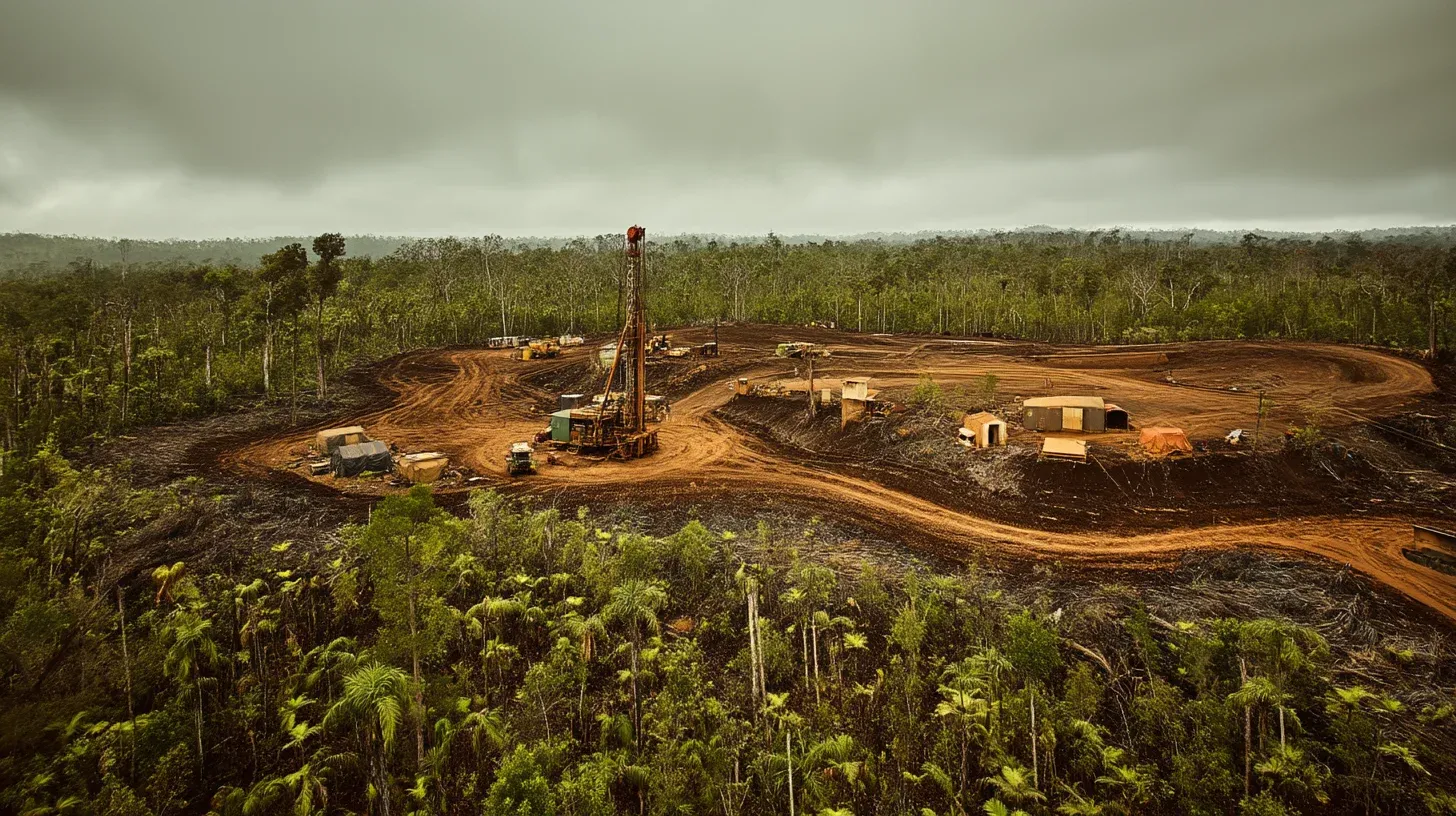
Serra Verde: a new source, not a new command over the chain.
Other allies are trying to build the detour from the processing side. Reuters reported on March 31 that Japan and France agreed to deepen cooperation on rare-earth supply chains, particularly for dysprosium and terbium, with Japan planning to source 20 percent of its future needs from the French refining project Caremag.
China, meanwhile, is tightening its hold through licensing and export controls. Reuters reported on February 26 that Beijing’s new system reaches beyond ore and into processing and downstream use. Rare earths are no longer being treated as neutral raw materials. They are being treated as security infrastructure.
This is where the language of de-risking hides more than it explains. The Western strategy sounds like diversification. In practice, it is an attempt to build a new and more fragile chain under continued asymmetry.
China is treated as the strategic risk that must be reduced immediately. But the answer is not a clean replacement. It is a costly, politically managed route through new mines, new refineries, new finance, and new dependencies.
And those dependencies land somewhere specific. In Poços de Caldas, the global story is strategic autonomy and supply security. The local story is water, waste, contamination, and trust. E24’s summary already captures the contradiction: a project sold as globally necessary but contested locally.
Concerns include water use and proximity to older radioactive waste areas in the region.
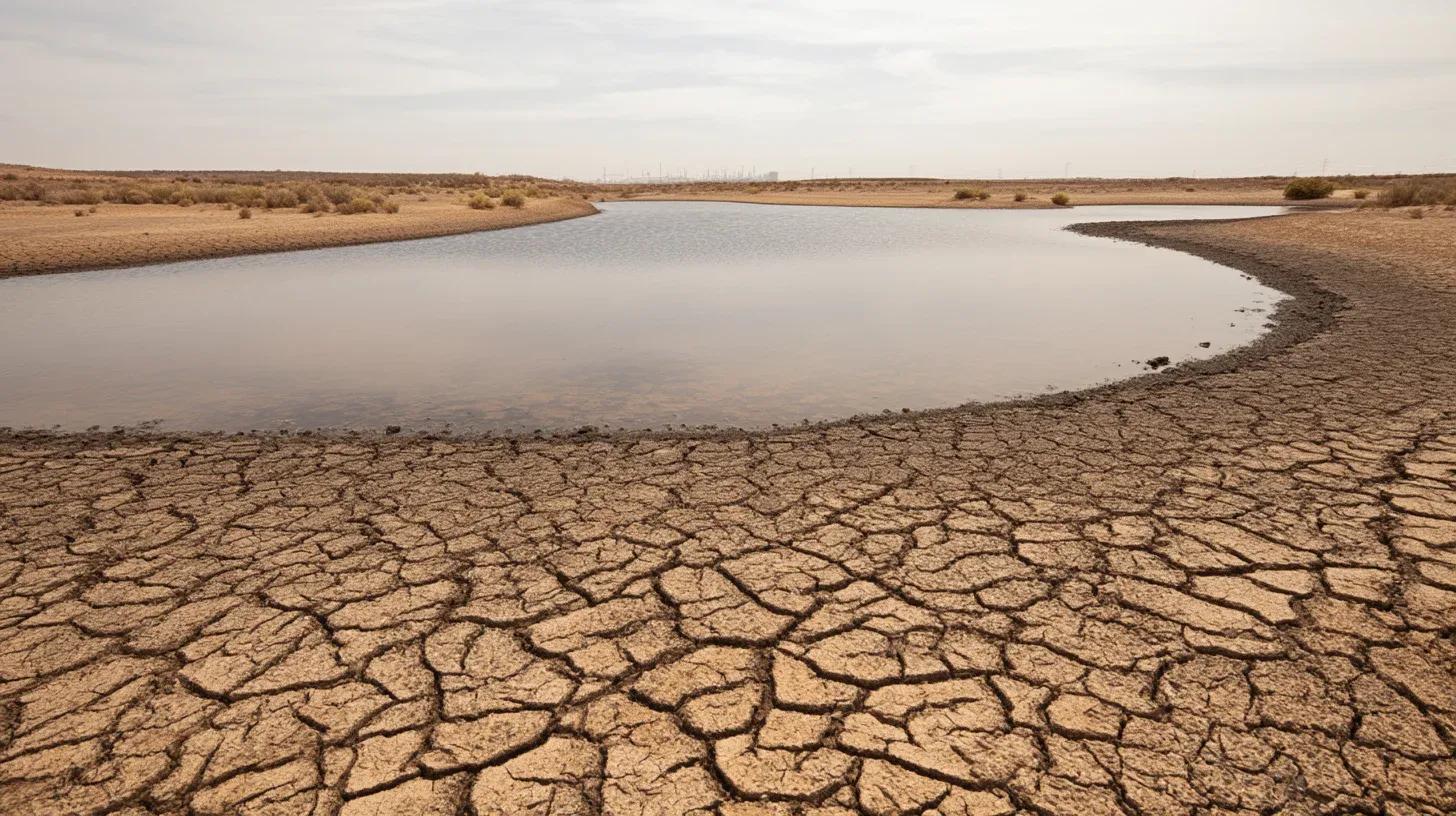
Strategic autonomy for some becomes environmental burden for others.
Brazilian investigative reporting from 2025 described environmental studies pointing to drought risk, pressure on groundwater, and uncertainty around chemical leakage and waste handling.
These sources matter because they show where strategic autonomy for some becomes environmental burden for others.
Strategic autonomy for some becomes environmental burden for others.
That is the darkside of the rare-earth transition. Rare earths are sold as necessary for green technology and strategic security, but the costs are pushed into water systems, waste streams, and local communities that do not control the narrative built on top of them.
Brazil supplies the promise of a new source, not control over the chain. The most strategic gains are still sought further downstream, where refining, metals, magnets, and market access remain concentrated. Local communities are asked to absorb the costs of a geopolitical project whose decisive leverage still lies elsewhere.
This is not liberation from Chinese power so much as an attempt to route around it. Reuters has pointed to technical challenges, low prices, and nervous lenders facing Brazilian projects. Rare-earth processing is difficult, expensive, and vulnerable to price pressure from incumbent producers.
The West is not simply discovering an alternative. It is trying to construct one while the existing center of industrial command remains intact.
The fight over rare earths has less to do with who finds the minerals than with who controls what happens after the mine. Brazil may become a new source, but source is not command.
As long as refining, metals, magnets, and access regimes remain concentrated elsewhere, this is not a clean escape from Chinese power. It is a costly detour that relocates conflict faster than it relocates command.
It is a costly detour that relocates conflict faster than it relocates command.
- E24 — Kina og Vesten kjemper om sjeldne mineraler: – Det beste feltet i verden
- International Energy Agency — Rare Earth Elements 2025
- International Energy Agency — Global Critical Minerals Outlook 2025
- USGS — Mineral Commodity Summaries 2025: Rare Earths
- Reuters — Brazil joins race to loosen China's grip on rare earths industry (17 June 2024)
- Reuters — US provides rare earths miner Serra Verde with $565 million financing, stake option (5 February 2026)
- Reuters — As Trump reins in China tech curbs, Beijing's export controls come of age (26 February 2026)
- Reuters — Japan, France agree rare earths deal to cut China reliance (31 March 2026)
- Agência Pública — reporting on Australian miners and local conflict in Brazil (2025)
- SEAISI / Brazilian reporting on radioactive waste concerns and environmental studies in the Poços de Caldas area