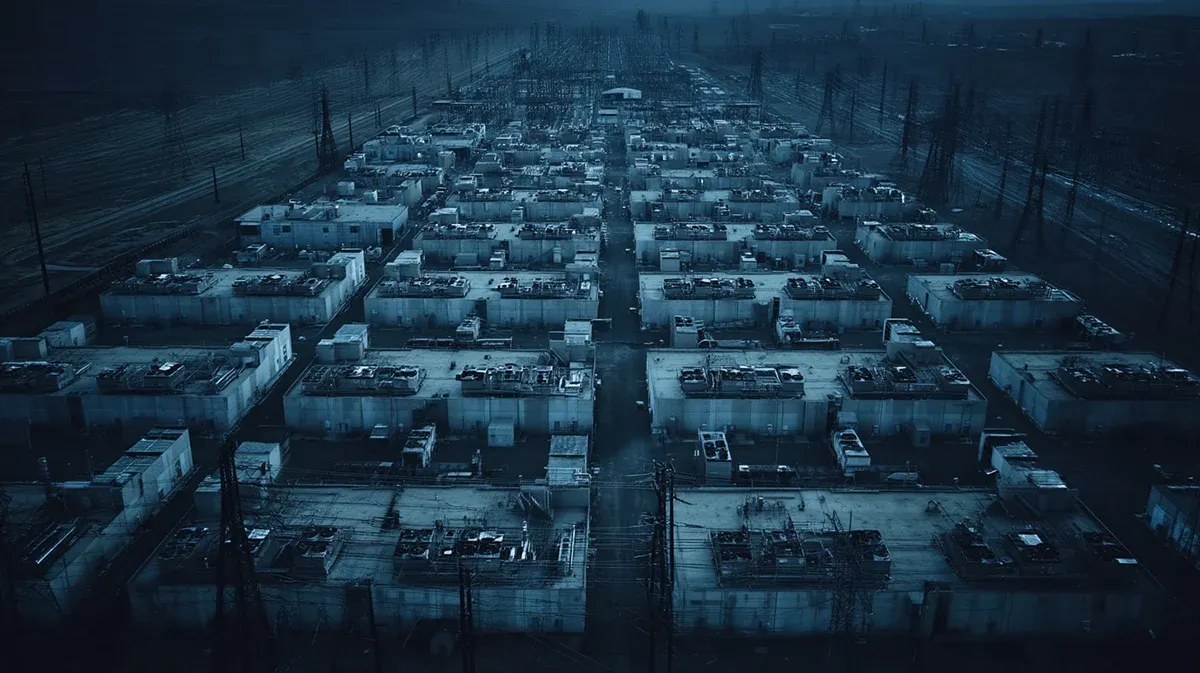
For now, markets still talk as if the bottlenecks are mostly technical: model performance, chip supply, capital expenditure, talent. But the deeper constraint sits elsewhere.
AI is not floating above the material economy. It is colliding with it. Data centres need vast amounts of electricity, grid access, cooling, land, construction capacity, and industrial hardware. Chips depend on delicate manufacturing chains that require stable energy, specialized gases, ultrapure water, and uninterrupted transport.
Every layer of the system assumes that the physical world will continue to deliver on time, at scale, and without major political interruption.
That assumption is becoming harder to defend.
The buildout of AI infrastructure is moving faster than many power systems can expand around it.
Data centres can be financed quickly, announced quickly, and priced into valuations quickly. Transmission lines, substations, transformers, gas turbines, and new generation cannot. The result is not just congestion. It is a widening mismatch between the speed of financial expectation and the speed of physical buildout.
The AI race is therefore becoming a race to secure power first, not just compute first.
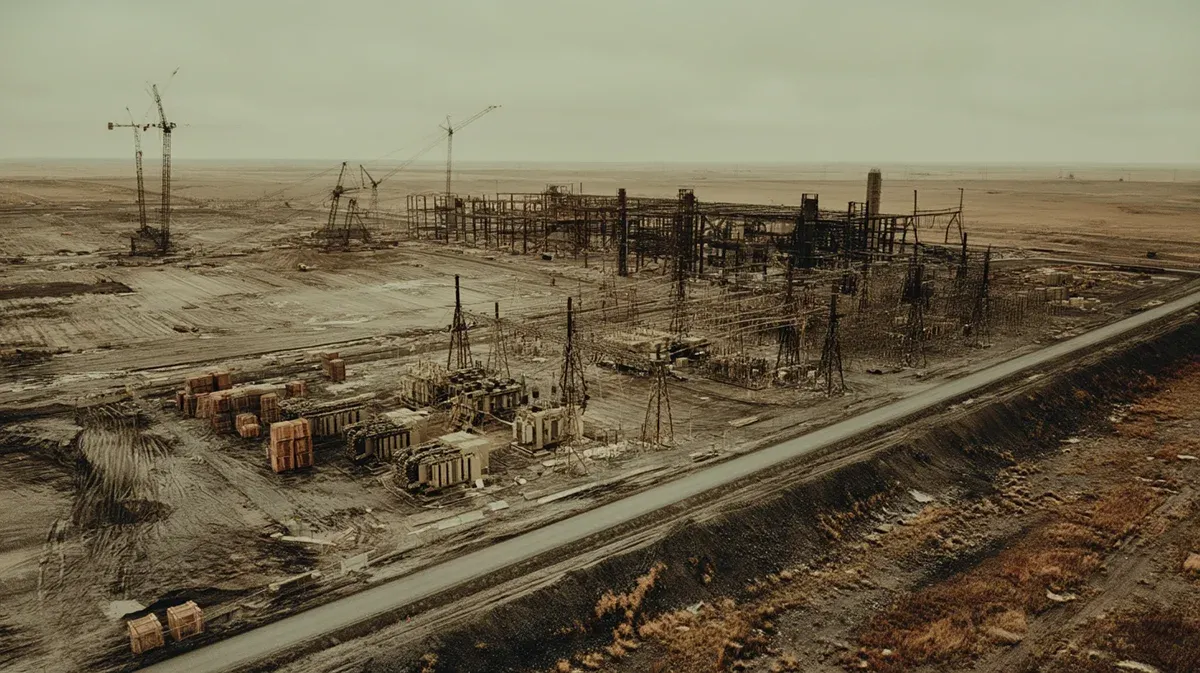
AI infrastructure can be financed and announced quickly. Power systems, substations, and transmission cannot.
That changes the meaning of technological advantage. The firms and states with the strongest position are not necessarily those with the best models alone, but those that can secure electricity, interconnection, and construction capacity before others do.
The competitive edge increasingly lies in commanding the systems beneath the cloud. AI leadership starts to look less like software leadership and more like privileged access to industrial infrastructure.
AI leadership starts to look less like software leadership and more like privileged access to industrial infrastructure.
The AI story is often told as if digital systems reduce dependence on geography. In practice, they deepen dependence on it.
Semiconductor tools, cooling equipment, transformers, gas infrastructure, and industrial components still move through ports, shipping lanes, and congested supply chains exposed to war, drought, rerouting, and political disruption. A delayed shipment of industrial equipment can now slow a project already treated by markets as inevitable.
The digital economy still runs through chokepoints, only now its demands are larger and less forgiving.
This is where the AI boom begins to look less like smooth innovation and more like systemic overreach. The physical world it depends on is already under strain. Shipping remains vulnerable. Grid expansion is slow. Industrial equipment is backlogged. Climate stress is interfering with infrastructure.
Energy systems are under pressure from electrification, industrial policy, and geopolitical fragmentation long before AI adds another major layer of demand. The boom is not arriving in a stable world. It is loading itself onto systems that were already showing signs of fatigue.
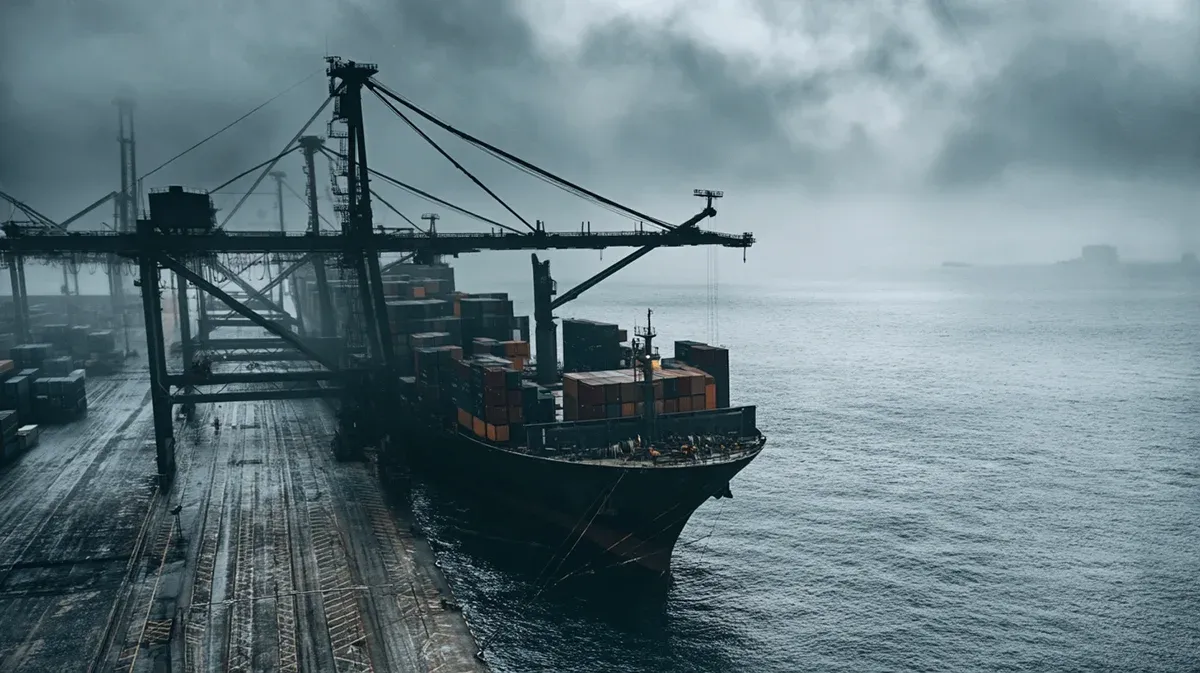
The digital economy still runs through ports, shipping lanes, equipment chains, and physical bottlenecks exposed to disruption.
Semiconductor production depends on more than chips and fabs. It depends on a wider industrial chain of materials, equipment, gases, water, and stable energy.
Helium is one of the clearest examples. It is rarely part of mainstream AI coverage, yet it remains essential to semiconductor manufacturing, and its supply has long been tied to politically exposed regions and vulnerable transport routes. When instability affects helium flows, that does not stay confined to one sector or one region. It moves into semiconductor production, and from there into AI capacity itself.
That is the deeper pattern this boom keeps obscuring. The impressive surface of AI rests on a supply architecture that is older, dirtier, and more fragile than the industry likes to admit.
Compute depends on chips. Chips depend on industrial inputs. Those inputs depend on shipping, energy, and political stability. Remove the abstraction, and the AI race looks less like a purely digital frontier than like an attempt to force industrial systems to behave with the speed and predictability of software.
They do not behave that way.
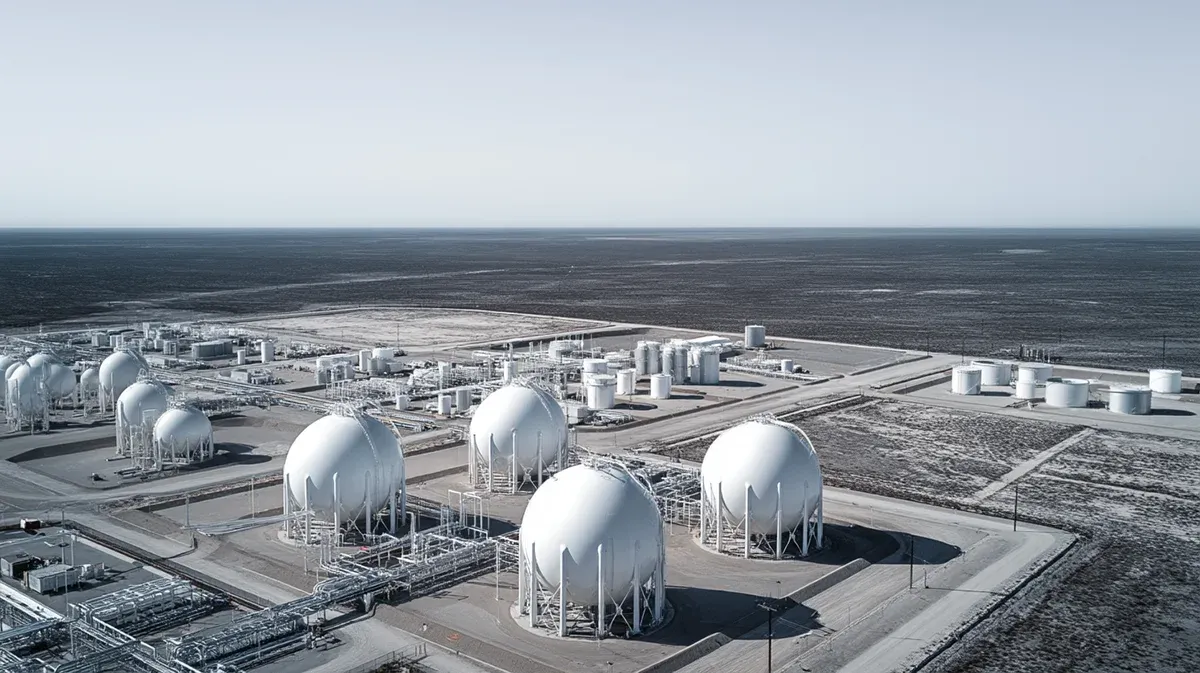
The impressive surface of AI rests on a supply architecture that is older, dirtier, and more fragile than the industry likes to admit.
This has consequences for energy too. When electricity demand arrives faster than grids and clean generation can be expanded, the system falls back on what can be built fast enough. In many places, that still means gas.
The contradiction is hard to miss: the industry most associated with the future can end up reinforcing old fossil infrastructure simply because that is what the physical system can deliver on schedule. The issue is not that AI is secretly fossil by nature. It is that under time pressure, the fastest available energy often wins over the cleanest available energy.
That makes the current phase of AI expansion structurally different from the story investors prefer. Capital rewards speed, scale, and market capture. Physical systems reward sequencing, slack, and time. Those logics do not naturally align.
If returns depend on deploying hyperscale capacity now, then whatever closes the gap fast enough becomes politically attractive, whether or not it fits the cleaner mythology of digital modernity. Fossil fallback is not an odd accident at the margins of the boom. It is a built-in tendency when financial urgency outruns material readiness.
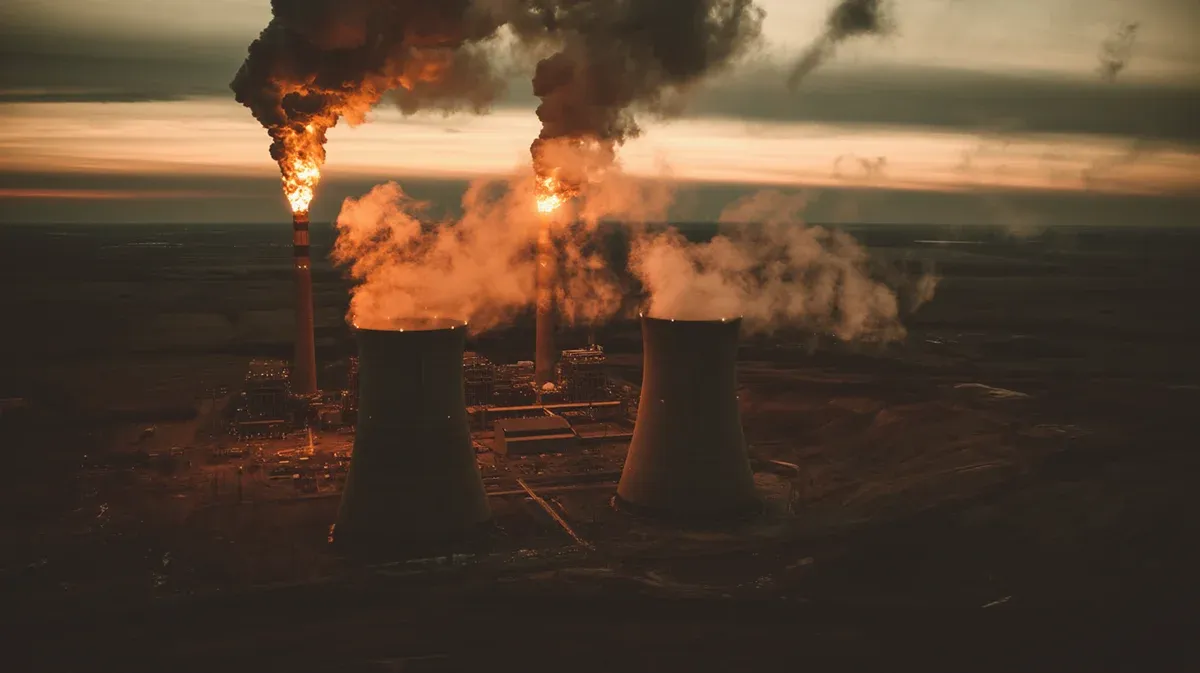
Under time pressure, the fastest available energy can win over the cleanest available energy.
The same is true politically. Once AI infrastructure becomes large enough, it begins to reorganize public priorities around itself. Grid upgrades are justified in its name. Power is allocated around its needs. Water, land, permitting, and industrial planning become more responsive to hyperscale demand.
What looks from above like innovation policy can look from below like the redesign of shared systems for a handful of firms whose business model depends on ever larger claims on energy and infrastructure.
This is where the wager becomes most visible. The AI boom is not just a bet that models will improve or that revenues will materialize. It is a bet that unstable physical systems can be made stable enough to support accelerated extraction of digital value.
It assumes that electricity will remain available, logistics manageable, and industrial inputs predictable precisely as demand surges. It assumes, in other words, that the material world will absorb software ambition without forcing a harder reckoning.
That is no longer a safe assumption.
The real issue is not whether AI is transformative. It is whether the world underneath it can carry the weight being placed on it, and who pays when it cannot.
The AI race is not just a race to compute more. It is a race to command electricity, logistics, and industrial inputs under worsening conditions.
That is the wager.
The AI race is not just a race to compute more. It is a race to command electricity, logistics, and industrial inputs under worsening conditions.