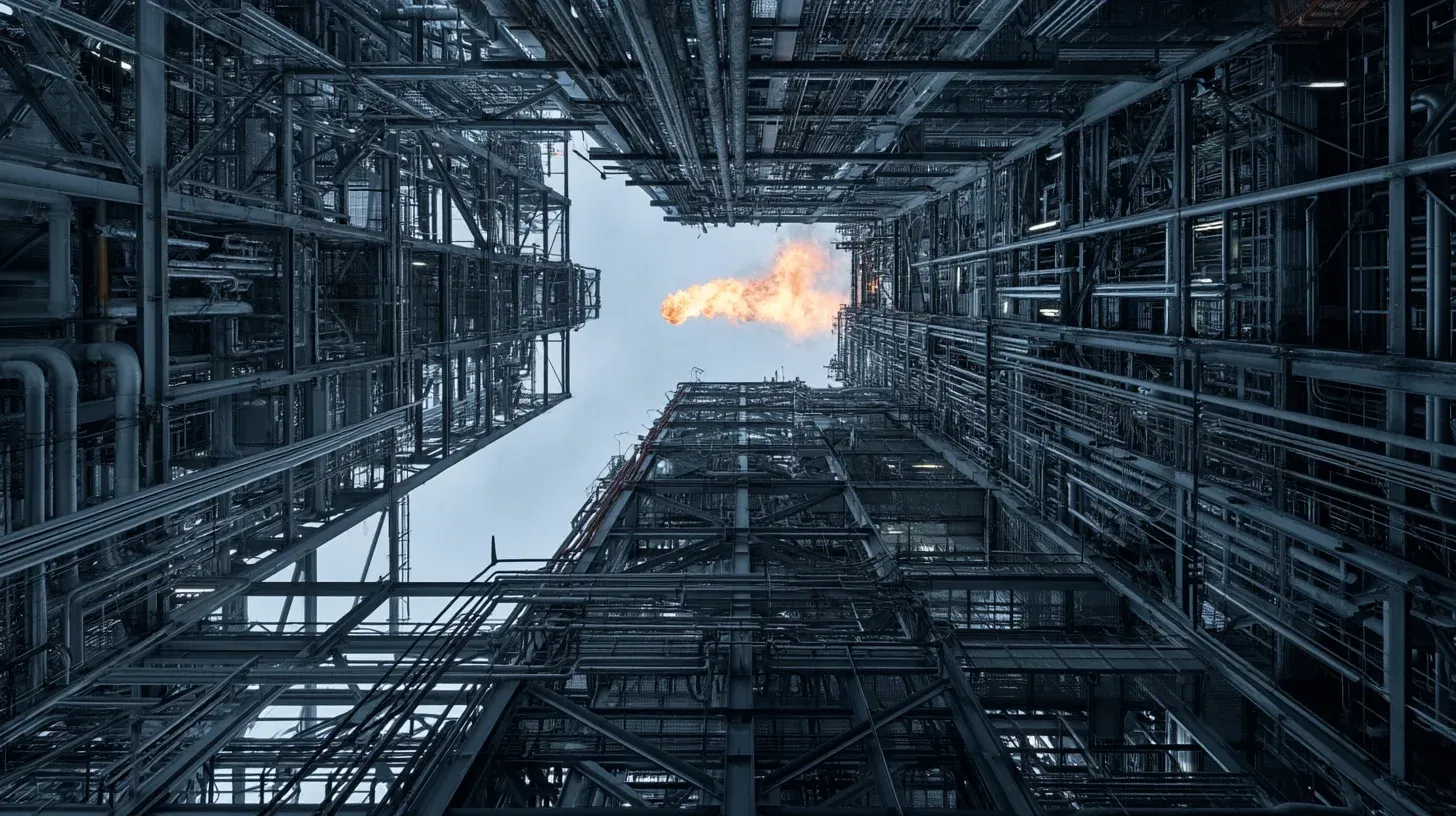
A chokepoint is a geographic point where large volumes of goods and energy are forced through a narrow area with few realistic alternatives. That is what makes these routes so consequential: they compress enormous flows into spaces where disruption becomes disproportionately powerful.
The system looks resilient as long as traffic moves. Once it is disrupted, it becomes clear how concentrated and inflexible global trade really is.
And the most important consequence follows quickly: the cost rarely falls primarily on those who trigger the pressure. It is passed on to importers, households, and vulnerable economies far from the point of disruption.
The cost rarely falls primarily on those who trigger the pressure.
The Strait of Hormuz remains the clearest example of how geography becomes leverage. A huge share of the world’s oil and liquefied natural gas moves through that passage from the Gulf toward global markets, especially in Asia.
That is why no full blockade is needed to produce global effects. It is enough for the market to believe the route may become dangerous. Prices respond to risk, insurance costs rise, and economic and political room for action narrows long before traffic actually stops.
Hormuz shows that in the global economy, the expectation of disruption can be almost as effective as disruption itself.
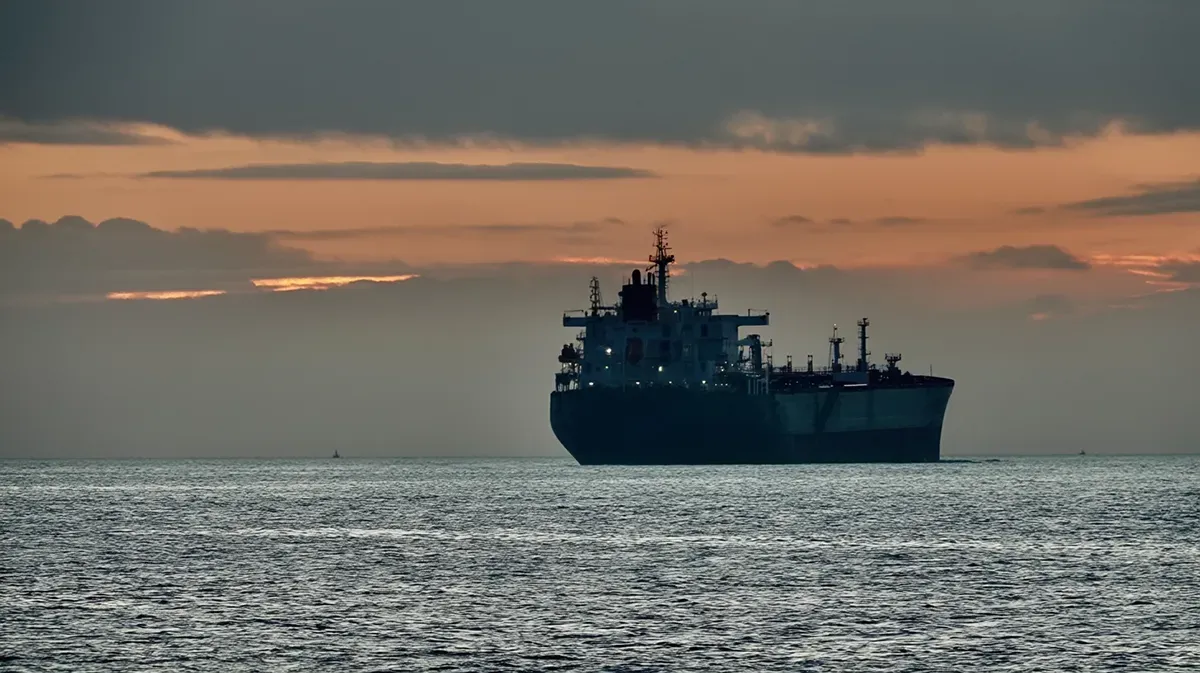
Risk alone can move prices, insurance, and political calculations before traffic stops.
The Suez Canal and Bab el-Mandeb reveal the same logic in corridor form. They are not separate vulnerabilities but one connected route between Asia and Europe. When the Red Sea becomes dangerous, Suez loses value with it.
That is what the Red Sea crisis exposed: a regional conflict quickly became a global logistics problem. Ships were rerouted around Africa, voyages became longer, fuel use rose, deliveries slowed, and canal revenues fell.
The structure of power becomes visible here. Those who create the disruption do not bear most of the cost. Import-dependent economies and ordinary consumers elsewhere do.
Those who create the disruption do not bear most of the cost.
The Panama Canal makes the system-level point even more clearly: vulnerability does not need to come from war to become geopolitical. Panama depends on freshwater and stable rainfall. When drought cuts capacity, it also constrains trade between the Atlantic and Pacific.
Climate risk then turns directly into logistics risk, price pressure, and strategic friction. Panama shows that climate and geopolitics are not separate fields acting side by side, but pressures operating on the same infrastructure.
What happens to water levels in one canal can shape freight markets and supply conditions across the world economy.
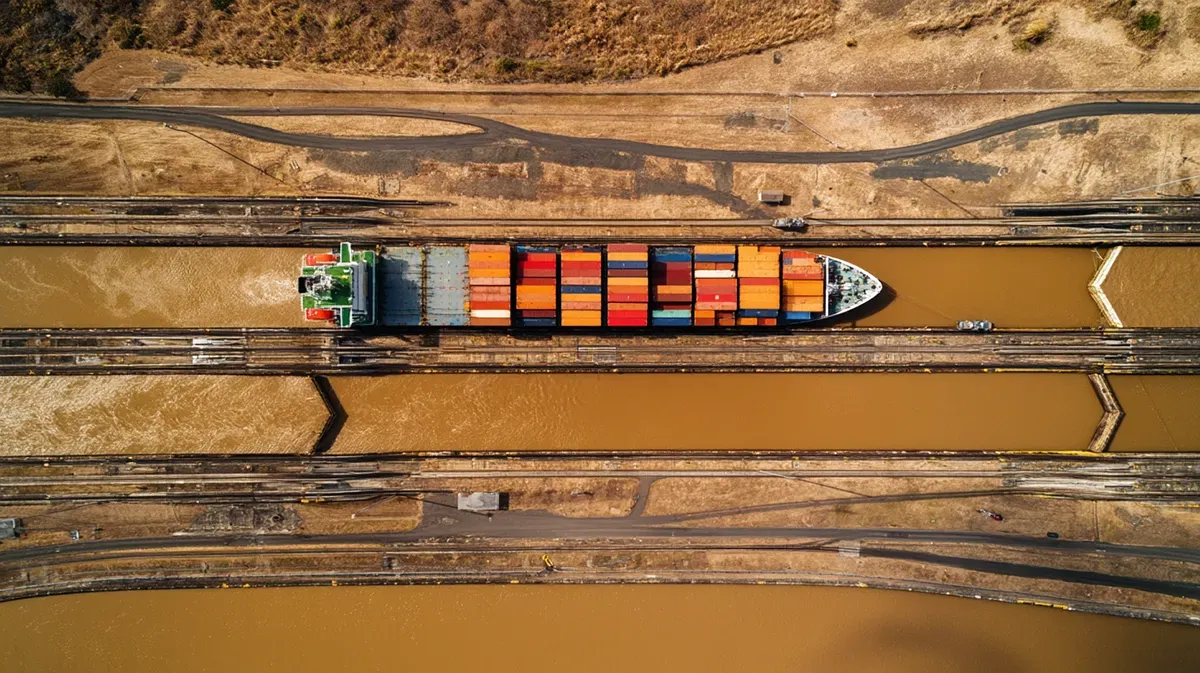
Climate pressure on infrastructure can travel directly into trade, supply, and price systems.
The Strait of Malacca pushes the analysis from trade into great-power strategy. It is one of Asia’s central energy arteries and one of the most sensitive points in China’s strategic geography. A large share of East Asia’s energy imports moves through a narrow maritime corridor where commerce, naval power, and geopolitical rivalry converge.
For China, Malacca is not just a shipping lane but a structural exposure. That is why Beijing has spent years trying to reduce dependence through pipelines, overland corridors, and alternative routes.
But alternatives only soften the problem. They do not erase it. Malacca still shows how a narrow passage can shape the strategic calculations of some of the world’s largest economies.
This is where chokepoints stop being logistics and emerge as power infrastructure. They are places where dependence can be converted into pressure, profit, and strategic influence.
But the actors that gain lasting advantage are more specific than the term “disruption” suggests. The biggest long-term beneficiaries are states that can secure or police major corridors, naval powers that can keep routes open or threaten to do the opposite, and transport and energy actors with credible alternatives when others have none.
Their power does not come from moving every ship. It comes from becoming more indispensable precisely when the system stops functioning smoothly.
Their power does not come from moving every ship. It comes from becoming more indispensable precisely when the system stops functioning smoothly.
That also explains why so much language about global trade is misleading. The system is often described as if it were mainly a story of efficiency, market choice, and flexible supply chains. But that language hides how physically concentrated and politically steerable trade flows really are.
Supply chains work only as long as sea lanes remain open, infrastructure keeps functioning, insurance remains available, and no actor decides to turn dependence into leverage. Trade, in other words, is not governed by frictionless markets, but by routes whose openness depends on security, infrastructure, and power.
Once that is clear, the winners and losers come into focus. Port states and corridor guardians gain strategic importance when uncertainty rises. Naval powers gain justification for deeper security roles. Alternative routes, pipeline systems, and transport networks outside the chokepoint become more valuable. Shipping and insurance actors can price risk into a crisis.
Others pay. Import-dependent countries face higher costs. Fragile economies with little buffer absorb inflation and delay. Households end up paying more for fuel, food, and goods.
Chokepoints are therefore not just places where goods pass through. They are places where both costs and power shift.
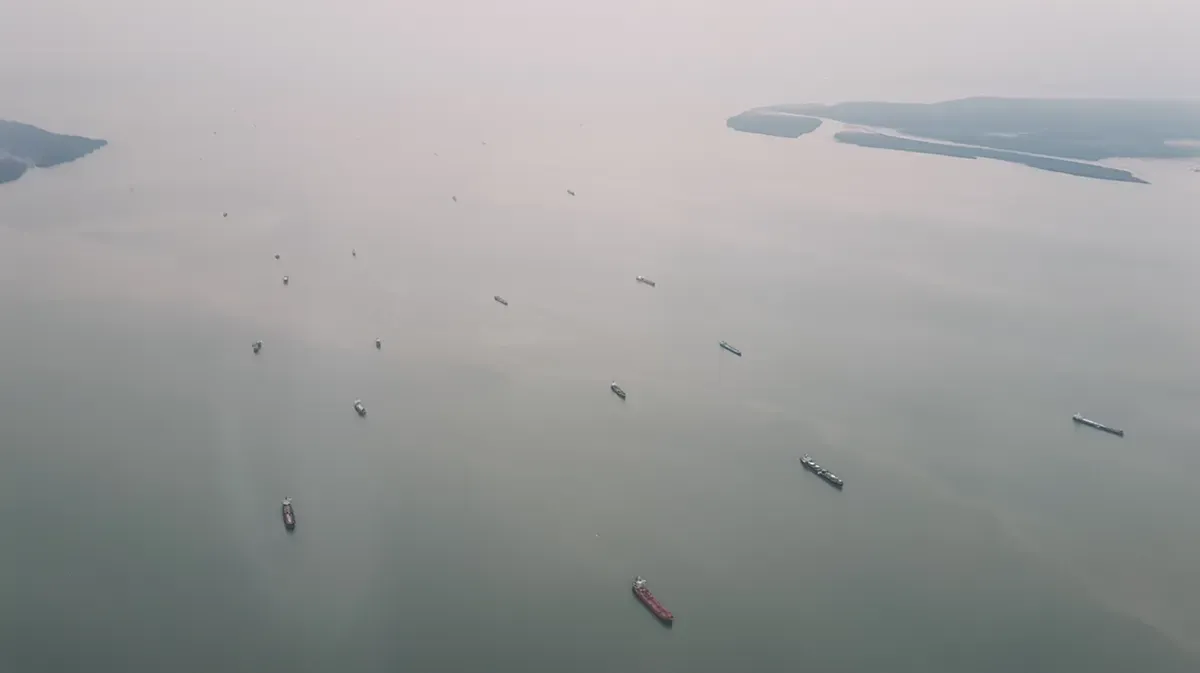
Strategic leverage grows when others lack alternatives and must absorb the cost.
That is the larger structural truth these sea lanes reveal. Global trade is not organized around flexibility as much as it is organized around forced concentration. A small number of passages carry disproportionate weight because there are too few viable alternatives.
That makes the world economy look open while binding it to a narrow physical architecture that can be guarded, disrupted, and exploited.
Chokepoints therefore show something much larger than where ships sail. They show how the world economy is actually governed: through concrete places where geography, power, and vulnerability meet.
Globalization did not transcend territory. It concentrated dependence around a small number of passages that can be used to shift both cost and pressure far beyond their own region. Behind the story of seamless trade lies a physical and political order in which some actors can manage vulnerability, while others are left to absorb its consequences.