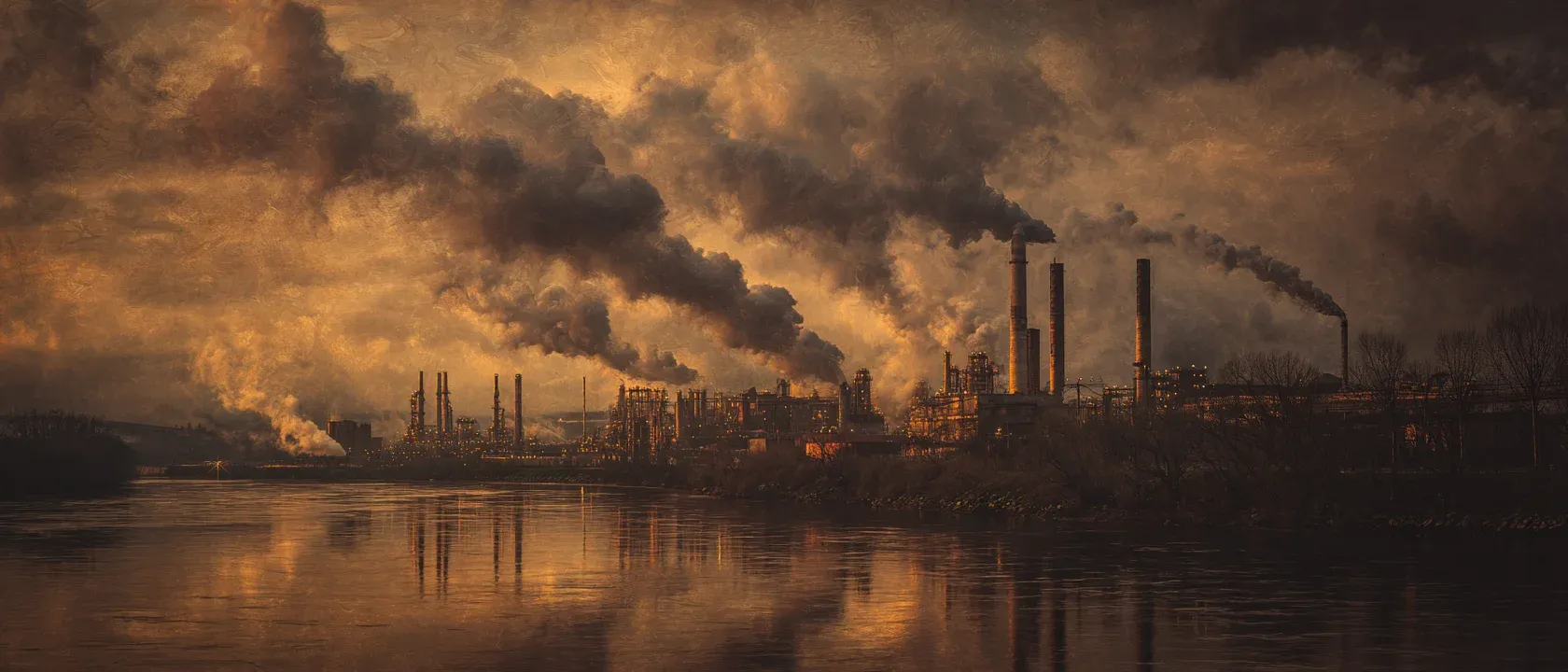
There is a comforting story built into much climate politics: that the world is leaving one kind of economy behind and building a cleaner one in its place. But the evidence points toward something far more uncomfortable.
The transition is not replacing the global resource struggle. It is widening it.
New energy systems require vast quantities of minerals, industrial inputs, land, water, and transport. At the same time, the old fossil system is still being expanded, financed, and defended. What is emerging is not a clean passage out of extraction, but a second extractive layer built on top of the first.

Resource extraction is not disappearing. It is being reorganized.
That matters because the new economy is not becoming less dependent on natural resources. It is becoming dependent on different resources, extracted under many of the same unequal power relations. The World Bank and the International Energy Agency have both shown how demand for lithium, graphite, nickel, cobalt, copper, and rare earths rises sharply in pathways built around batteries, grids, renewables, and electrification. But supply alone is not the decisive issue. That is where the transition stops being a question of supply alone and becomes a question of power.
Control over raw materials is not the same as control over value. The real leverage sits further down the chain, in refining, chemistry, processing, industrial scale, logistics, standards, and market access. Resource countries may own the deposits, but the biggest winners are industrial states, processing powers, and firms that control finance, technology, and the chokepoints that turn raw inputs into strategic products. Some countries provide the material base. Others capture the margins, the industrial learning, and the power to shape the direction of the new economy.
That is why critical minerals do not automatically produce development for the countries that extract them. Congo dominates cobalt. Indonesia and the Philippines are central to nickel. Chile and Australia are major lithium producers. Yet it is China and other industrial economies with strong refining, manufacturing, and export capacity that command much of the downstream value.
Without control over processing and industry, resource ownership gives geopolitical significance, but not command over value, standards, or development.
The mine may matter, but the refinery, the battery chemistry, and the market channel matter more.
The contradiction becomes sharper once fossil expansion is put back into the picture. The world is still pouring money into oil and gas even while building clean energy infrastructure at speed. That is the part many official narratives blur. The result is not a clean break with the old system, but a double expansion: more green technology layered onto continued fossil buildout. This is not a transition in any pure sense. It is a dual extractive project in which one system is supposed to replace another while both continue to grow at once.
The Atacama makes this reality visible in physical terms. In Chile’s lithium-producing regions, the global demand for batteries appears locally as pressure on water, ecosystems, and Indigenous communities in one of the driest landscapes on earth. The global market sees strategic supply for electric vehicles and storage. Local communities see fragile hydrology, wetlands, grazing land, and shrinking room to defend how water is used. This is not a side issue or an unfortunate exception. It is one of the clearest ways the transition reveals itself on the ground: national climate goals and industrial strategy on one side, ecological stress and unequal bargaining power on the other.
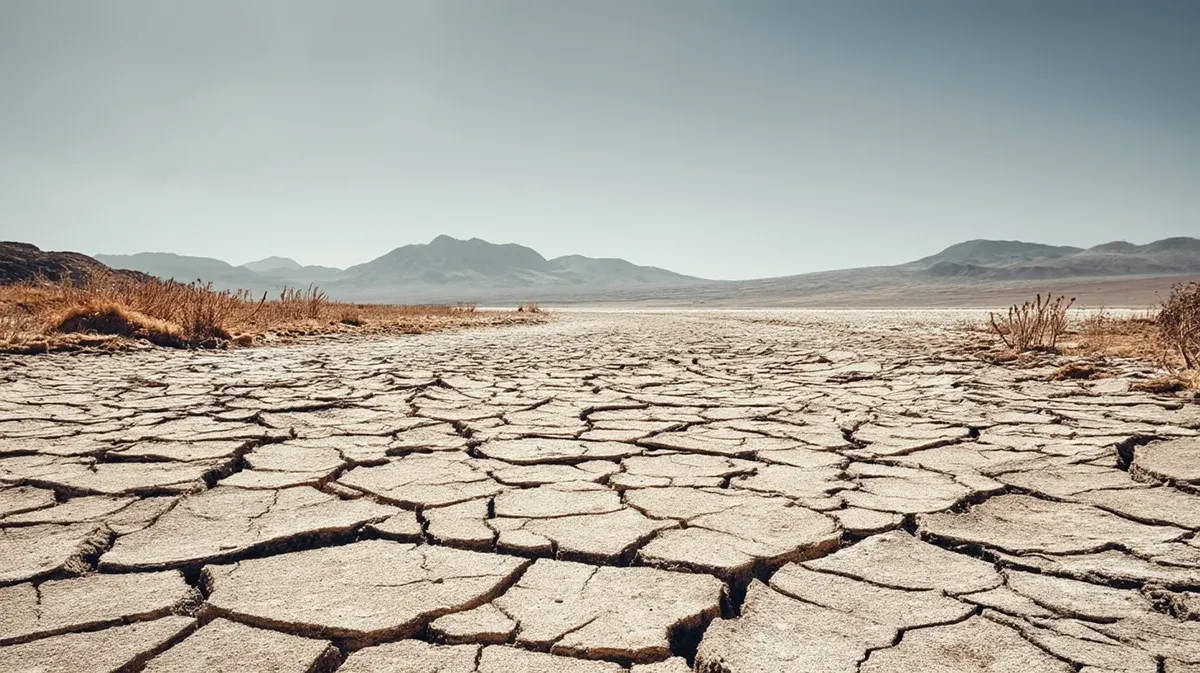
In arid regions, battery demand often appears locally as pressure on water.
Congo shows the same structure in political-economic form. Its cobalt is indispensable to modern battery chains, but indispensability has not translated into control. The country remains trapped near the extractive end of the chain while others dominate refining, precursor materials, battery components, and end markets. The problem is not only the well-documented issues of dangerous labour conditions, corruption, and weak traceability. It is also that Congo’s role remains structurally subordinate. It supplies a critical input, but others control the stages that decide what that input is worth and who captures the largest gains. That is the core lesson: mineral importance is not the same as industrial power.

More domestic processing does not automatically mean a cleaner industrial model.
Indonesia shows the contradiction from another angle. It is often treated as evidence that resource countries can move up the chain by forcing more processing at home, and there is some truth in that. More value has been retained than under a simple raw-export model. But the Indonesian case also shows how green value chains can remain fossilized in production. Nickel processing there has been tied to coal-powered smelters and industrial zones. That is not an anomaly at the edge of the transition. It is one of the structural contradictions inside it. A mineral celebrated as essential to clean energy can still be processed through new fossil infrastructure.
The green economy does not necessarily erase the old energy logic. It often absorbs it.
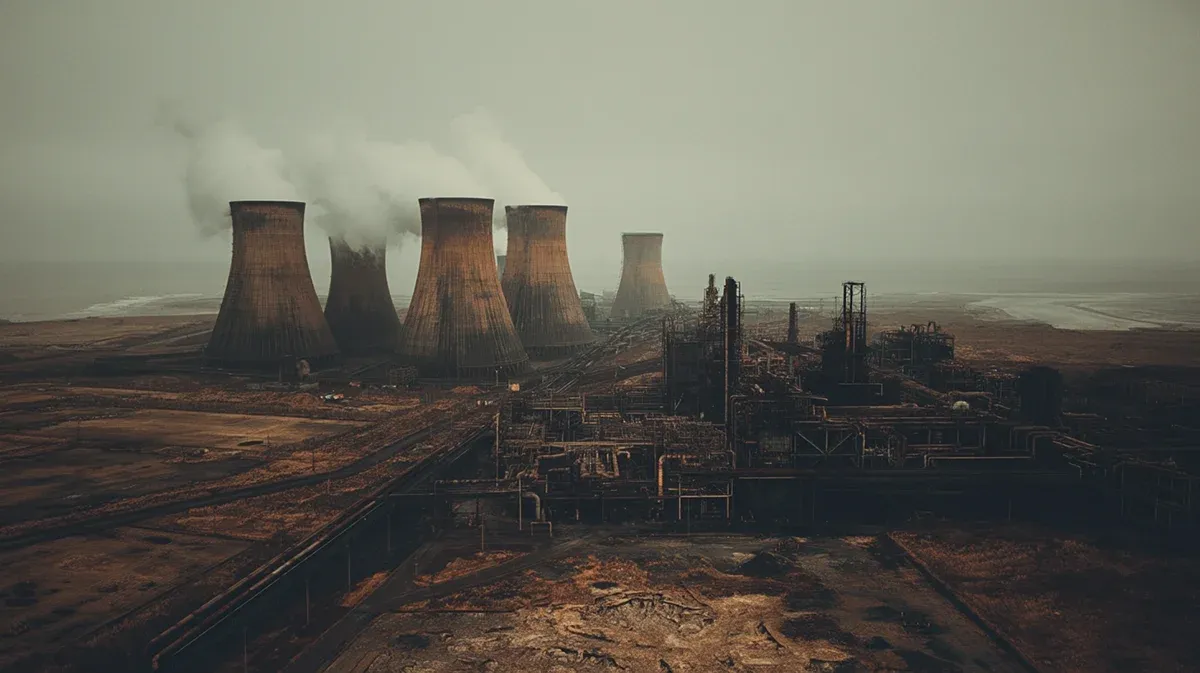
The green economy can still be built on fossil infrastructure.
Taken together, these cases point to a pattern that is larger than any single country. The environmental and social burden is often concentrated in the periphery, while the most profitable and strategic functions remain concentrated in the centre. Extraction, water pressure, labour risk, pollution exposure, and land conflict are pushed toward places with weaker bargaining power. Meanwhile industrial states, processing hubs, and actors that control standards, capital, logistics, and end markets are better positioned to secure the gains. The centre captures technology, finance, and command. The periphery supplies minerals, land, labour, and the sacrifice required to sustain the system.

That is why the green economy cannot be judged only by whether it lowers emissions in aggregate. It also has to be judged by how it distributes value, control, and damage. If the cleanest and most prestigious parts of the chain are concentrated in one set of countries while the dirtiest and most disruptive parts are externalized to another, then the transition is not overcoming old asymmetries. It is reorganizing them.
None of this means the world can avoid building new energy systems. But the transition cannot be judged only by its technologies or its emissions targets. It also has to be judged by who controls the value, who bears the damage, and which forms of extraction are allowed to survive under greener language. Otherwise the world may end up with a transition that looks cleaner at the centre while carrying old extraction, old asymmetries, and old sacrifice zones forward in a new language.