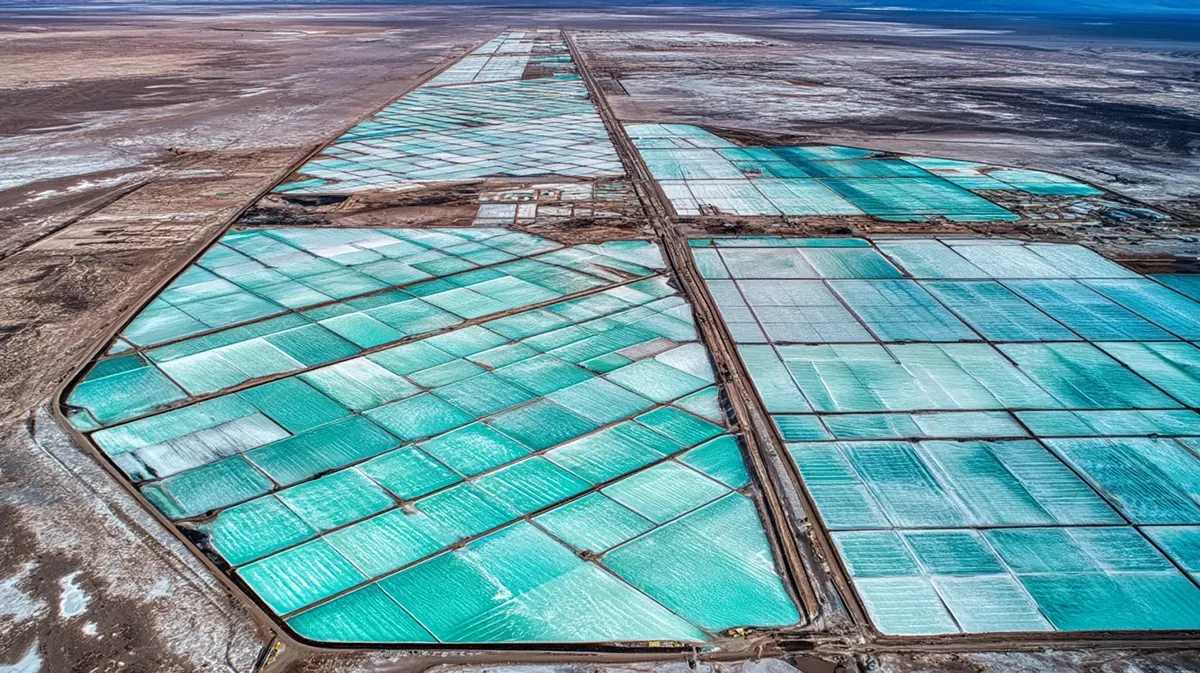
Electrified economies do not escape material dependence; they rebuild it around minerals, processing systems, and industrial bottlenecks controlled by relatively few actors.
What makes them critical is not primarily geological rarity, but strategic dependence. These are minerals that are difficult to replace, essential to key industries, and vulnerable to supply disruption.
A mineral becomes critical when an economy cannot easily function without it while control over supply is concentrated elsewhere. This is why there is no fixed or universal list. What counts as critical depends on the technologies a country relies on, how its industry is organized, and where the bottlenecks sit.
That is why the issue now extends far beyond mining. The transition from fossil fuels to electrified systems is also a shift from a fuel-intensive economy to a material-intensive one.
Batteries, electric vehicles, power grids, solar panels, wind turbines, and electric motors all require large volumes of copper, lithium, nickel, cobalt, graphite, and rare earths. The crucial point is not only that demand is increasing, but that control over raw materials and processing is becoming a precondition for industrial capacity, strategic autonomy, and geopolitical leverage.
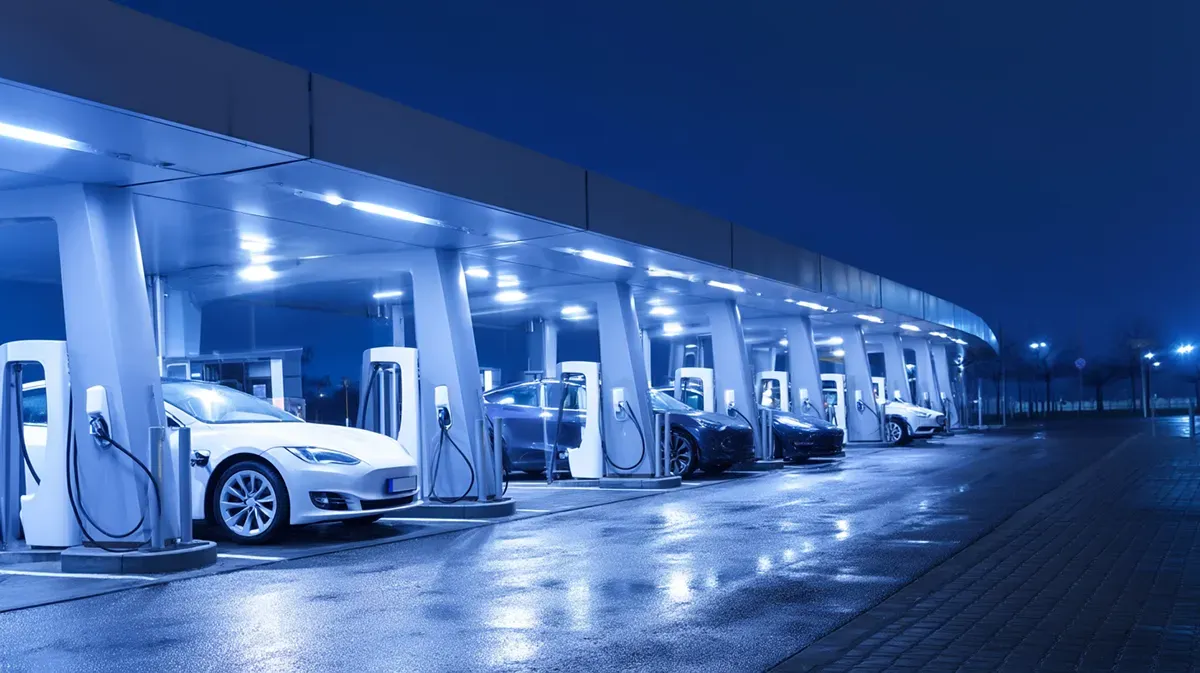
The shift away from fossil fuels does not end dependence. It reorganizes it around new materials.
China controls more than half of global lithium, cobalt, and graphite processing, and around three quarters of global battery cell capacity. That is what critical minerals look like in practice: not simply dispersed geological resources, but concentrated industrial control over the stages that make them strategically decisive.
The decisive power does not necessarily lie where the minerals are dug out of the ground. It often lies further downstream, in refining, processing, chemistry, and component manufacturing. That is where raw materials are turned into usable industrial inputs, and where dependence hardens into structure.
A country may possess large deposits and still remain weak within the chain, while another may control the most strategic stages without owning the largest reserves. The real power lies in the bottlenecks, because that is where price, access, standards, and industrial direction can be shaped.
The decisive power does not necessarily lie where the minerals are dug out of the ground.
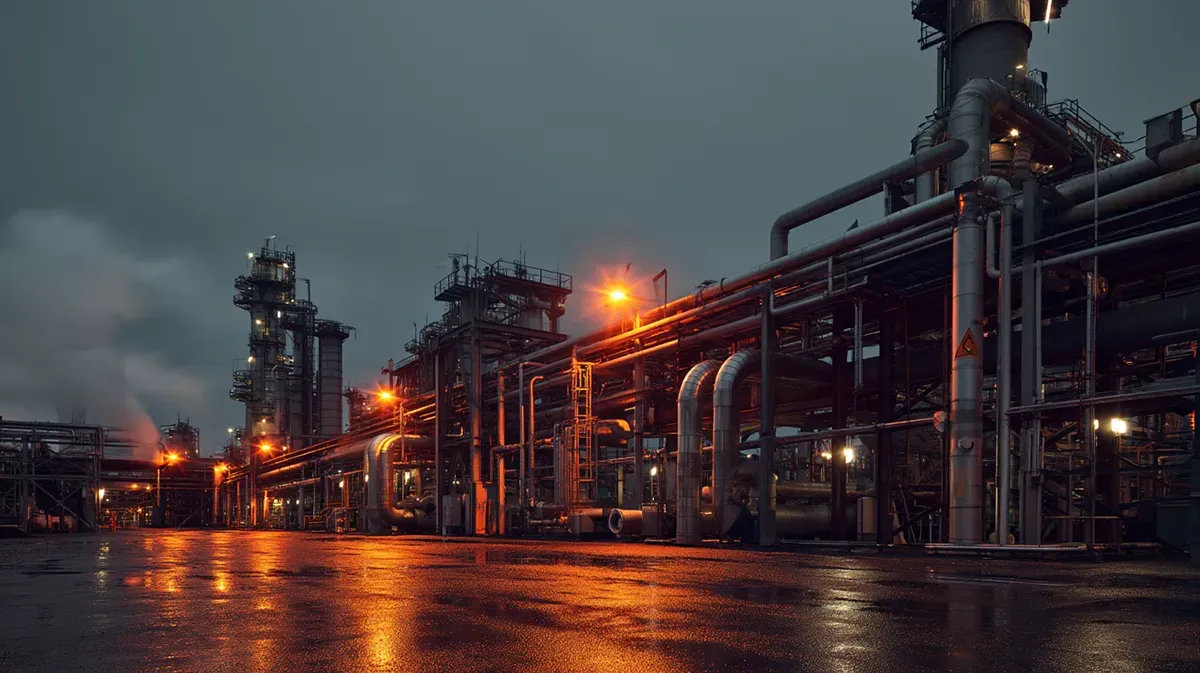
The most strategic power often lies in refining, processing, and industrial conversion.
This is what makes critical minerals a geopolitical issue rather than a narrow commodity question. The decisive point is not simply that certain minerals are important, but that they have become indispensable under conditions of dependence in which control is concentrated elsewhere.
When refining and processing are dominated by a small number of actors, supply becomes vulnerable not only to disruption, but to political and industrial pressure. Price shocks, export controls, industrial coercion, and strategic stockpiling all become more consequential when alternatives are limited.
The question, then, is not only whether the world can produce enough minerals, but whether the energy transition is replacing one dependency regime with another. The move away from oil and gas does not eliminate structural vulnerability. It reorganizes vulnerability around new materials, new chokepoints, and new centers of industrial control.
The green economy does not float free of power politics. It is building a new material basis for them.
That also reveals the hierarchy inside the value chain. Some countries supply raw materials and absorb much of the environmental burden and social risk, while others control processing, technology, and the most strategic gains.
This is not just a technical division of labour. It is a political distribution of cost, risk, and power. Countries at the extractive end of the chain are often exposed to pollution, land conflict, labour abuse, and water stress, while the countries that dominate downstream stages are better placed to capture margins, learning, and strategic influence.
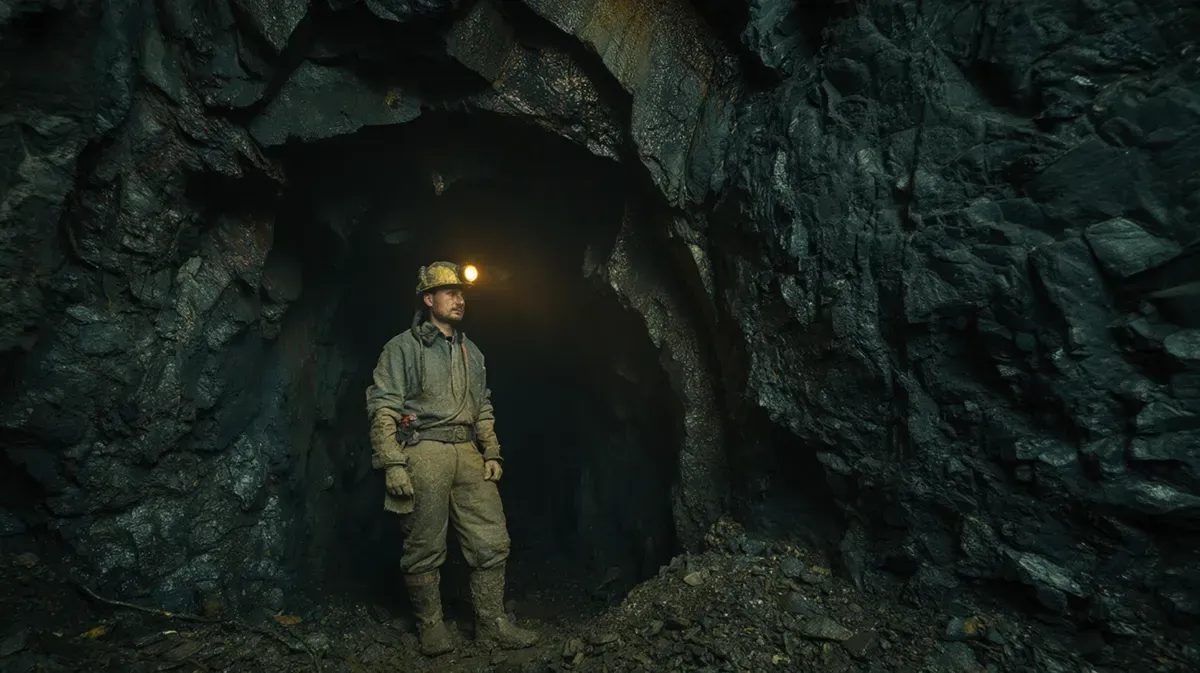
The extractive end of the chain often carries more risk, while the downstream end captures more control.
This is the political meaning of critical minerals. The green transition may be cleaner in energy, but it can still remain unequal in power.
It can reproduce an old pattern in new form: one set of countries provides the material basis of the system and absorbs much of the damage, while another controls the refining, chemistry, manufacturing, and standards that determine who captures the gains. That is not a side effect of the transition. It is increasingly part of its industrial architecture.
The green transition may be cleaner in energy, but it can still remain unequal in power.
This is not an argument against transition, but a reminder that the green economy is also built on extraction, and that its burdens and benefits are distributed unequally.
Public rhetoric often treats decarbonization as if cleaner technology automatically produces a fairer system. It does not. A low-carbon economy can still be organized around concentrated control, externalized costs, and deep asymmetries in bargaining power. Cleaner energy does not by itself produce a fairer political economy.
Critical minerals matter so much now because they reveal what the energy transition is really reorganizing: not only energy systems, but material dependence, industrial hierarchy, and geopolitical leverage. The countries and firms that control refining, processing, and manufacturing bottlenecks will do more than secure supply.
They will shape the terms of the next economy. The struggle over critical minerals is therefore not just about access to resources, but about who will bear the burdens of transition, who will command its gains, and who will set the terms of the next industrial order.